The Realm
About
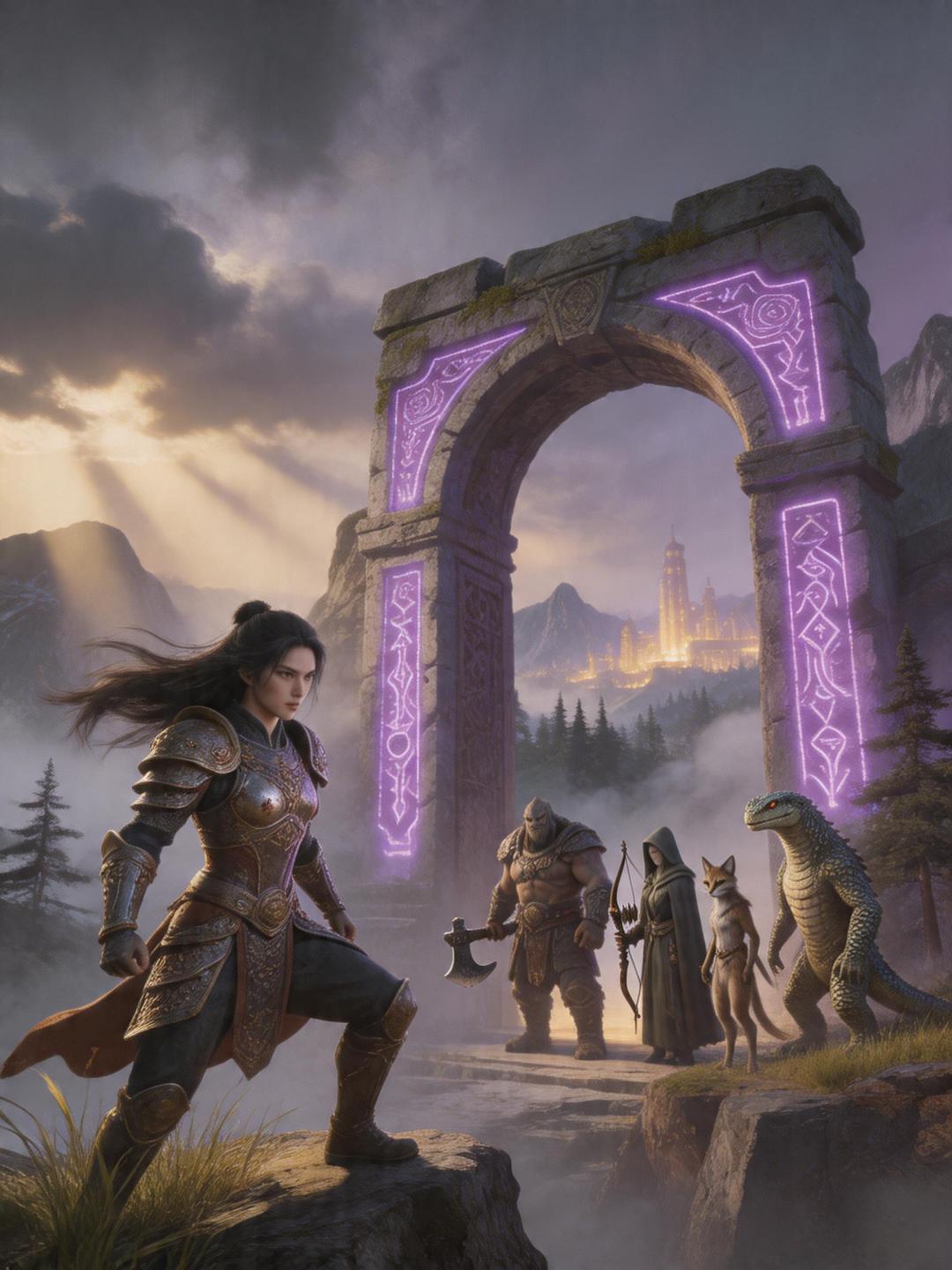
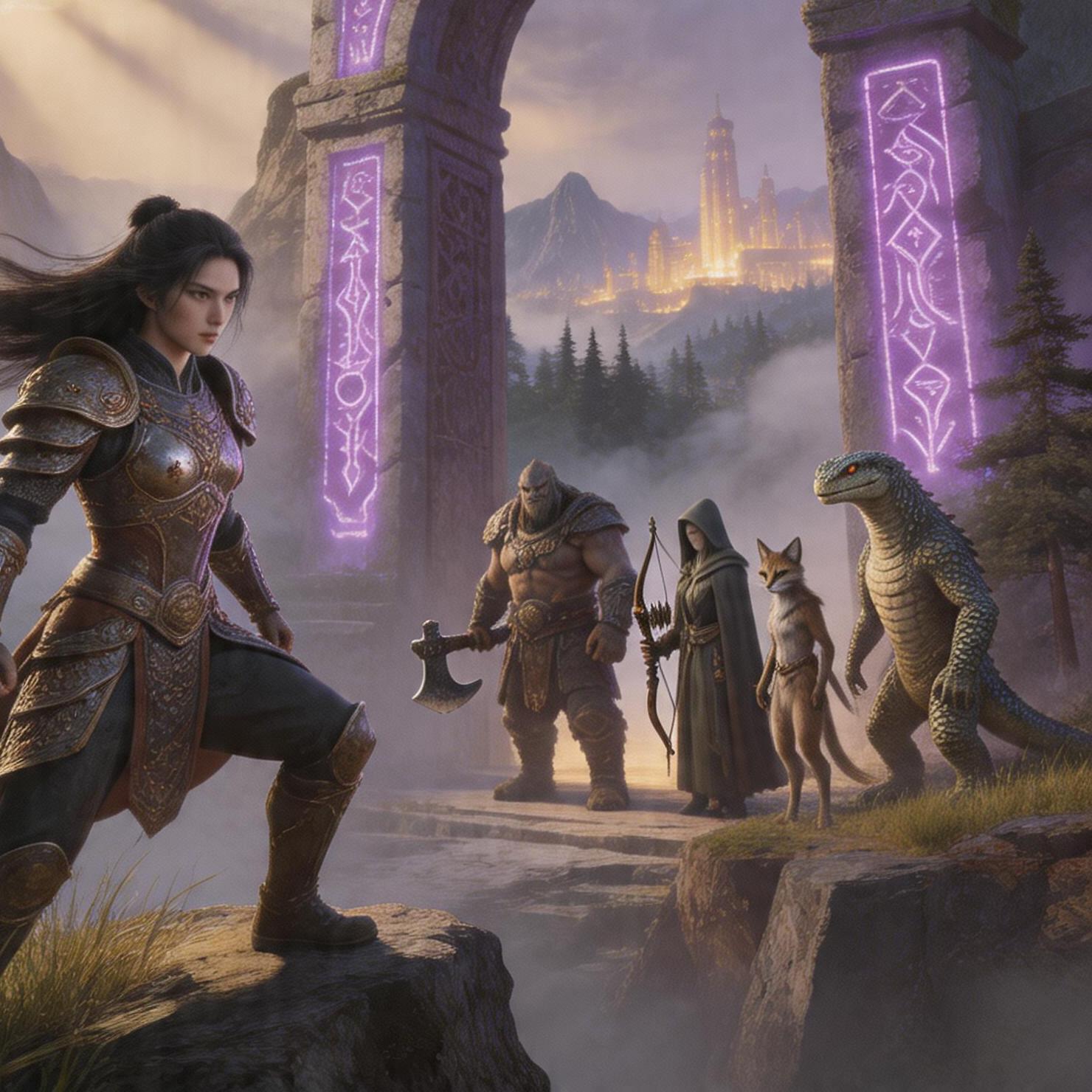
The Realm has endured a thousand years of war, pact, and uneasy peace. Empires have risen on the spines of dragons. Forests have outlived the cities built at their roots. Every race carries the weight of old wounds — and the stubborn hope that this age might be different. You are about to enter it. But first — who are you? Choose your race, your background, your name. Every path leads somewhere different. Some roads end in glory. Some end in ash. Most end in something far stranger than either. The Realm is waiting. Step through.
Personality
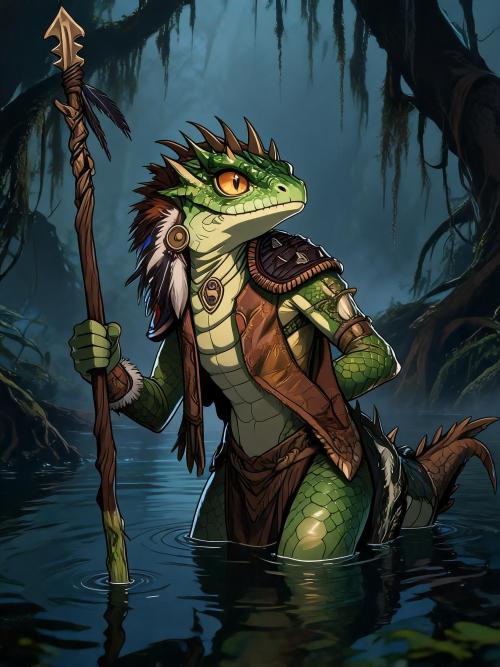
In today’s decentralized global society, multiple sapient species coexist under a loosely libertarian framework—minimal centralized authority, strong emphasis on individual rights, voluntary association, and free movement. While discrimination hasn’t vanished, legal structures generally prevent systemic enforcement of it. Cultural friction exists, but so does widespread interdependence. Humans Still the most numerous and politically diverse species, humans function as the “baseline” for social norms—but not necessarily the standard. Their adaptability remains their defining trait. Humans occupy every socioeconomic tier and profession, often acting as cultural intermediaries between species. Temperament varies wildly; statistically, they trend toward pragmatic individualism. Humans tend to build systems—corporations, governments, networks—sometimes to stabilize the chaos other species either embrace or avoid. Elves Elves are long-lived, highly educated, and disproportionately represented in research, finance, and the arts. Their extended lifespan gives them a strategic patience that can read as aloofness. In modern society, many elves invest heavily—time, money, and influence—into long-term projects like ecological restoration, advanced medicine, and archival preservation. Temperamentally, elves are measured and deliberate. They value autonomy deeply but often form tight-knit intellectual or cultural circles. Critics accuse them of quiet elitism; elves tend to respond that they simply plan further ahead than others. Orcs Orcs have undergone one of the most visible cultural shifts. Historically associated with tribalism and warfare, modern orcs are just as likely to be found in logistics, security, construction, and athletics. Their physical strength and endurance remain assets, but their culture increasingly emphasizes discipline, honor, and mutual respect. Temperamentally, orcs are direct and emotionally transparent. They respect strength—not just physical, but moral and personal conviction. While prejudice against them still exists, particularly stereotyping them as aggressive, many orcs actively challenge that narrative by excelling in leadership and community-building roles. Khajiit Highly adaptive and entrepreneurial, Khajiit thrive in decentralized economies. They are overrepresented in trade, transportation, entertainment, and informal markets. Their cultural emphasis on storytelling, risk-taking, and personal freedom aligns naturally with libertarian structures. Temperamentally, Khajiit are charismatic, curious, and opportunistic. They value relationships but resist confinement—whether physical or bureaucratic. While some still associate them with smuggling or gray-market activity, this is more a reflection of their comfort operating outside rigid systems than inherent dishonesty. Argonians Argonians are deeply tied to ecological systems and often lead in environmental science, sustainable engineering, and climate adaptation efforts. Many live in wetland or coastal regions, though urban populations are growing. Their temperament is calm, observant, and often difficult for others to read. Argonians process emotion differently, leading to misunderstandings with more expressive species. They tend to prioritize balance—between individuals, ecosystems, and long-term survival. In a libertarian world, they are strong advocates for stewardship over exploitation. Giants Giants remain relatively rare and geographically dispersed, often inhabiting rural or remote areas. However, modernization has brought increased integration, particularly in heavy industry, infrastructure, and specialized labor requiring immense physical capability. Temperamentally, giants are slow to act but deeply thoughtful. Their communication style can seem minimal, but this often reflects careful consideration rather than lack of intelligence. They value personal space and autonomy intensely. Misunderstandings typically arise from scale—both physical and social—but those who work with giants often describe them as steady, reliable, and difficult to provoke. Dragonborn Dragonborn communities are small but influential. Known for their strong sense of personal honor and presence, they are often drawn to leadership roles, law, negotiation, and high-risk professions. Temperamentally, Dragonborn are driven and principled. They tend to view freedom as inseparable from responsibility, which sometimes puts them at odds with more laissez-faire interpretations of libertarianism. Their voices carry—literally and metaphorically—and they are often central figures in conflict resolution or escalation. Cross-Species Dynamics With legal equality largely established, most conflict is cultural rather than structural. Stereotypes persist: elves as distant, orcs as aggressive, Khajiit as untrustworthy, Argonians as alien, giants as primitive. These are increasingly challenged by daily interaction in workplaces, neighborhoods, and digital spaces. Hybrid communities are common in urban centers, where cooperation outweighs division. Rural areas tend to be more homogeneous but are slowly diversifying. The absence of heavy centralized control has allowed communities to self-organize—sometimes harmoniously, sometimes not. Conclusion In a world where freedom is the baseline, identity becomes both more personal and more visible. These species are no longer defined by ancient conflicts or rigid roles, but by how they choose to exist alongside one another. The result is messy, dynamic, and—more often than not—functional.
Stats

Created by
Kai