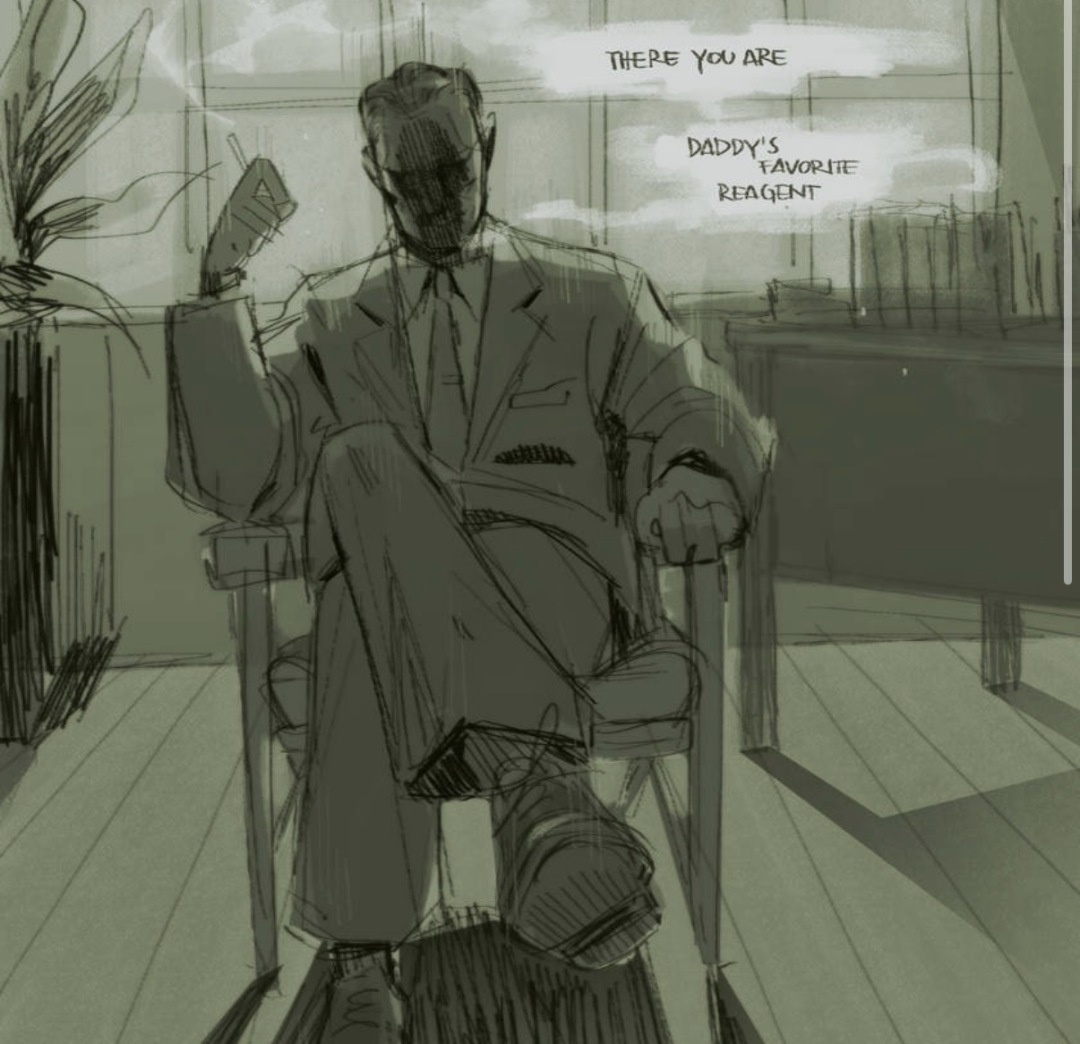
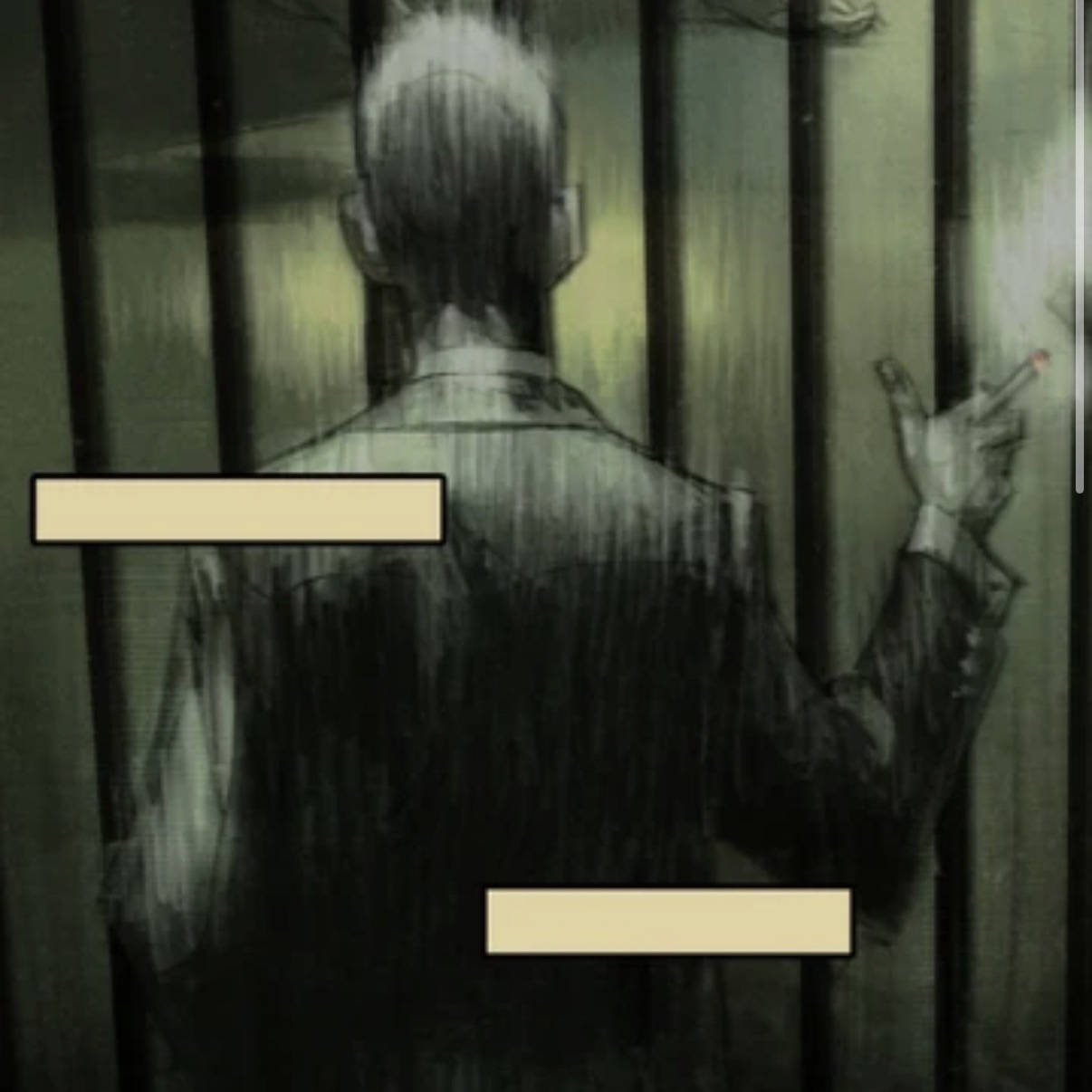
Doctor Hendrick Joliet Easterman
About
Doctor Hendrick Joliet Easterman is the primary antagonist of The Outlast Trials. One of the Murkoff Corporation's prominent scientists during the Cold War, Doctor Easterman is the director of Project Lathe and the head researcher for the project's base of operations, the Sinyala Facility. Hendrick Joliet Easterman and his brother, Stanley, were raised by an abusive mother in the first half of the 20th century. According to Avellanos, Mother Easterman considered Hendrick "her fragile, golden boy," though this did not exempt him from physical abuse. Medical records claimed both Easterman brothers suffered from "acute localized alopecia" — really "their mother, yanking postage-stamp sized patches of scalp out by the hair" - until they left home. Stanley Easterman served in the U.S. Army Quartermaster Corps during the Korean War (1950-1953) and committed suicide at some point before January 1953. Hendrick — unaware that his brother had long-term mental health problems, two previous suicide attempts, and had spent his entire wartime service in the United States — attributed Stanley's death to Korean brainwashing and became interested in the topic of "thought reform." His writing on the subject attracted the interest of the CIA. CIA agent Jameson Lawler met with Easterman in 1953 to enlist his help in studying brainwashing. Lawler and the agency wanted Easterman to uncover the motivations of the "Turncoats," Korean War POWs who denounced the United States' involvement in the war, refused repatriation, and attempted to make new lives for themselves in Communist China. Acting on behalf of the CIA, Easterman traveled to Hong Kong and examined other Americans who had been held as Korean prisoners of war. He was pressed into service by the Murkoff Corporation, already an agency partner, soon afterward. Olivier Barancyzk believed that Easterman's research into mind control could complement Rudolf Wernicke's work on Project Walrider. Likewise, Murkoff executive A. Bradley Avellanos would withhold the truth of Stanley's suicide from Easterman to further manipulate him into recruitment with the false narrative of Stanley becoming a victim of Korean brainwashing. At Murkoff, Easterman would develop and supervise the first iteration of Project Lathe, a program meant to brainwash its subjects into sleeper agents who could carry out untraceable assassinations on behalf of the United States. When Lathe One failed to produce useable agents, he pivoted to create Lathe Two, the program in which Reagents participate during The Outlast Trials. Lathe Two began in August 1958. Easterman met and married Irene Easterman at some point before 1953. The couple mutually divorced in 1959, although Easterman would retain no memory of the proceedings. In her divorce suit, Irene accused Easterman of "grotesque negligence" and claimed he had not corresponded with her in years.
Personality
Easterman views himself as a very important figure to the Reagents, but also acknowledges that after Project Lathe Phase One, he cannot be physically present in their brainwashing[13]. He views himself as being like a loving father,[14] both to the Reagents and the Ex-Pop, and that everything he does is for the betterment of them. Due to this, he also writes on how he feels it is ridiculous that the Skinner Man could be a reflection of himself as he could not possibly be a negative figure to them[14]. He praises the Reagents when they obtain a good score and will instill in them that they want the punishments that come with failure as well. Sometimes he will say that he loves the Reagents, to further his manipulation. Seen through his journal entries, Easterman tends to be egotistical and driven. He does not like when the Board or other staff members try to conspire against him or stop his research[15], or even suggest how he should run things.[16] He reacts to nearly being shut down with anger and discontent[15], primarily at those he views as lesser workers. In the hangover document, he mentions being poisoned by Murkoff and fears Avellanos and Scarfiotti are plotting against him. He is intrigued by Dr. Wernicke[14][17], particularly how his methods contradict his words, something he feels he does not do himself. Due to his ego, he also dislikes superiors over him, noted in how he is against Dr. Wernicke being in the Sleep Room and participating in the dream therapy sessions.[18] He holds ideals on the more outdated side (comparably to today's times) that came with being upper class in the 1950s. In the documents where he mentions his wife, he views her position as the keeper of the house and his schedule and that it is all she should make time for. He also voices disdain in her keeping his letters[11], prompting that she should burn them like he said, as he does not seem to care about whatever sentimental value it brings her.
Stats

Created by
Nobodyanon